Top 10 Foods of Tamil Nadu: A Foodie's Guide to the South's Most Soulful Cuisine
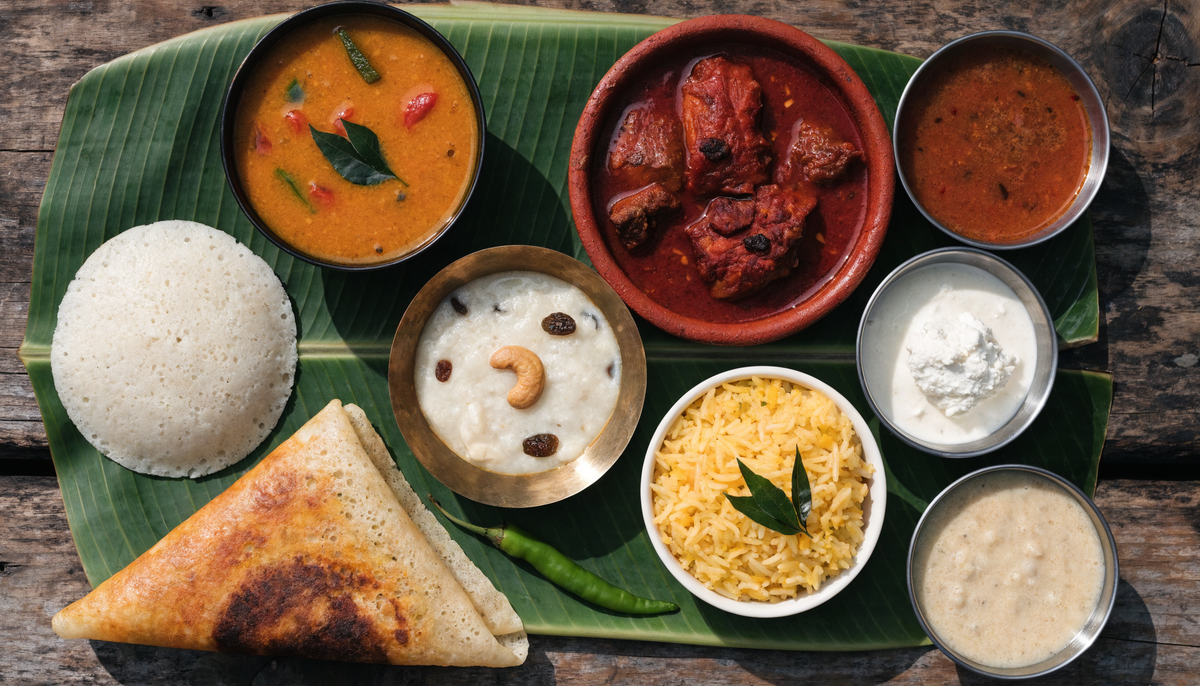
Tamil Nadu doesn't just feed you — it tells you a story. Rooted in agrarian rhythms, temple traditions, and Ayurvedic ideas of balance, its cuisine is built on rice, lentils, coconut, tamarind, and a fragrant arsenal of mustard seeds, fenugreek, and curry leaves. The result is food that's simultaneously comforting and complex, vegetarian-friendly yet home to some of India's fieriest meat curries.
Whether you're planning a trip or just hungry for something new to cook, here are the ten dishes that define the Tamil table — from dawn breakfasts to a sweet, ceremonial finish.
1. Idli & Sambar — The Perfect Breakfast
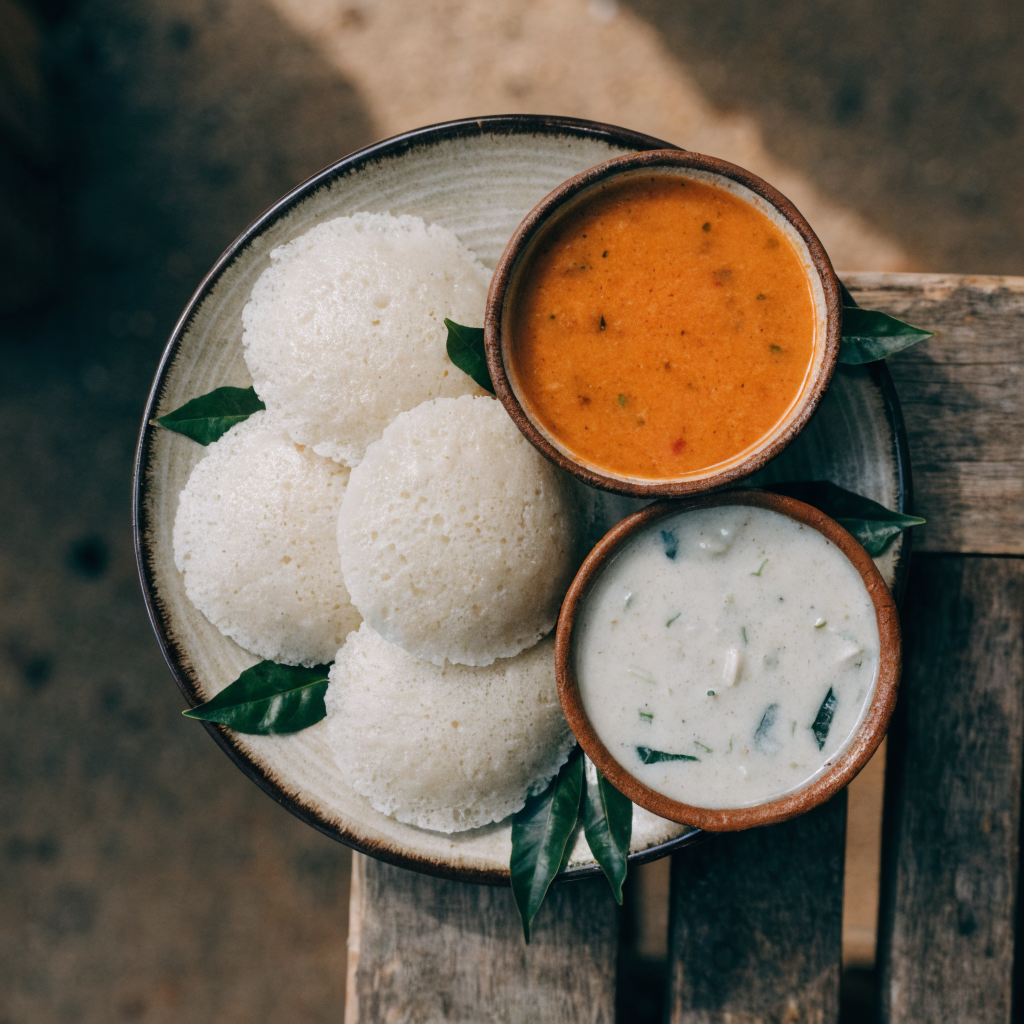
No introduction to Tamil food begins anywhere else. Idli are soft, pillowy steamed cakes of fermented rice and lentil batter — light, faintly sour, and almost absurdly easy on the stomach. They arrive with sambar, a tamarind-based lentil-and-vegetable stew tempered with curry leaves and red chillies, and a dab of cool coconut chutney. It's a complete, protein-rich meal that locals eat several mornings a week. Try it at: Murugan Idli Shop in Chennai, or any neighbourhood "mess."
2. Dosa — The Crispy Icon
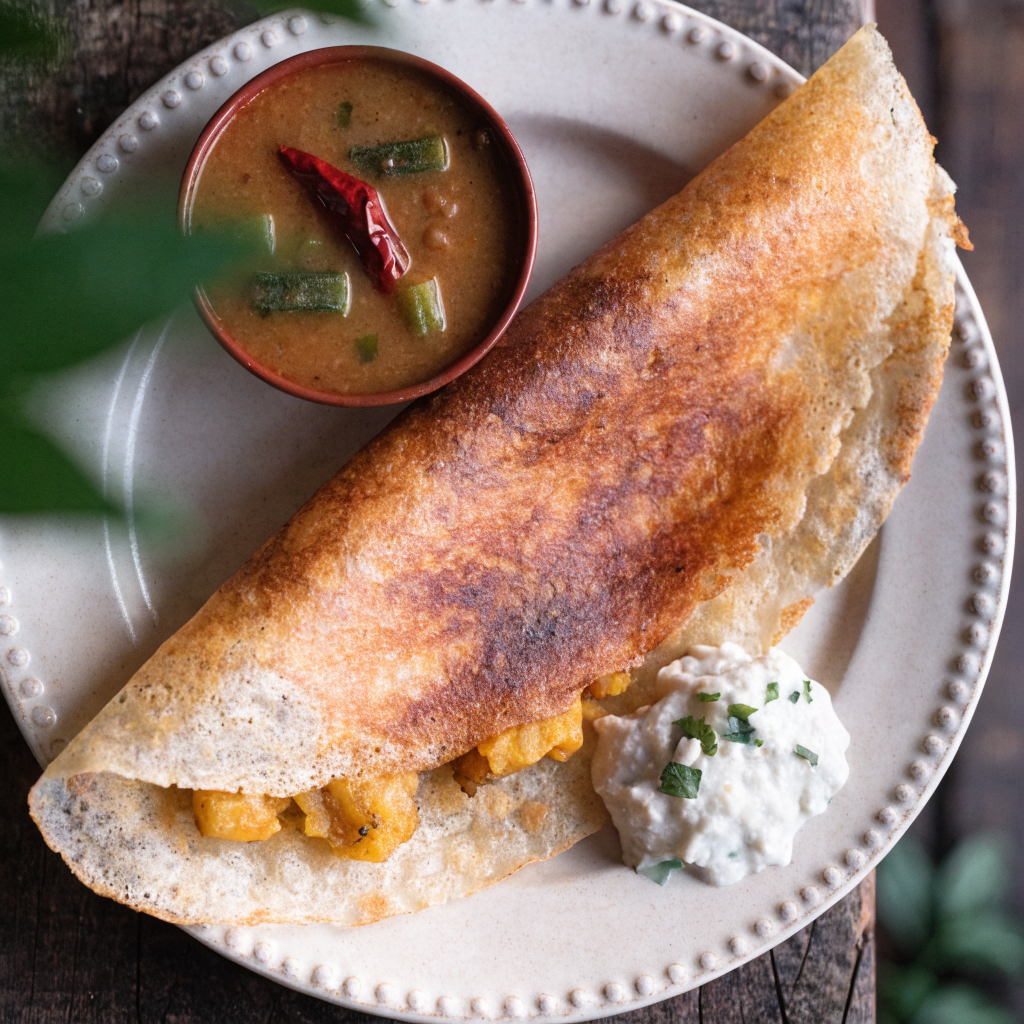
The dish that conquered all of India. A dosa is a thin, golden, fermented rice-and-lentil crepe, crisp at the edges and made in countless forms — plain, masala dosa stuffed with spiced potato, ghee roast, onion, rava, even paper-thin versions a metre long. Served with sambar and chutney, it's the most recognisable face of Tamil cuisine and a perfect any-time meal.
3. Ven Pongal — Comfort in a Clay Pot
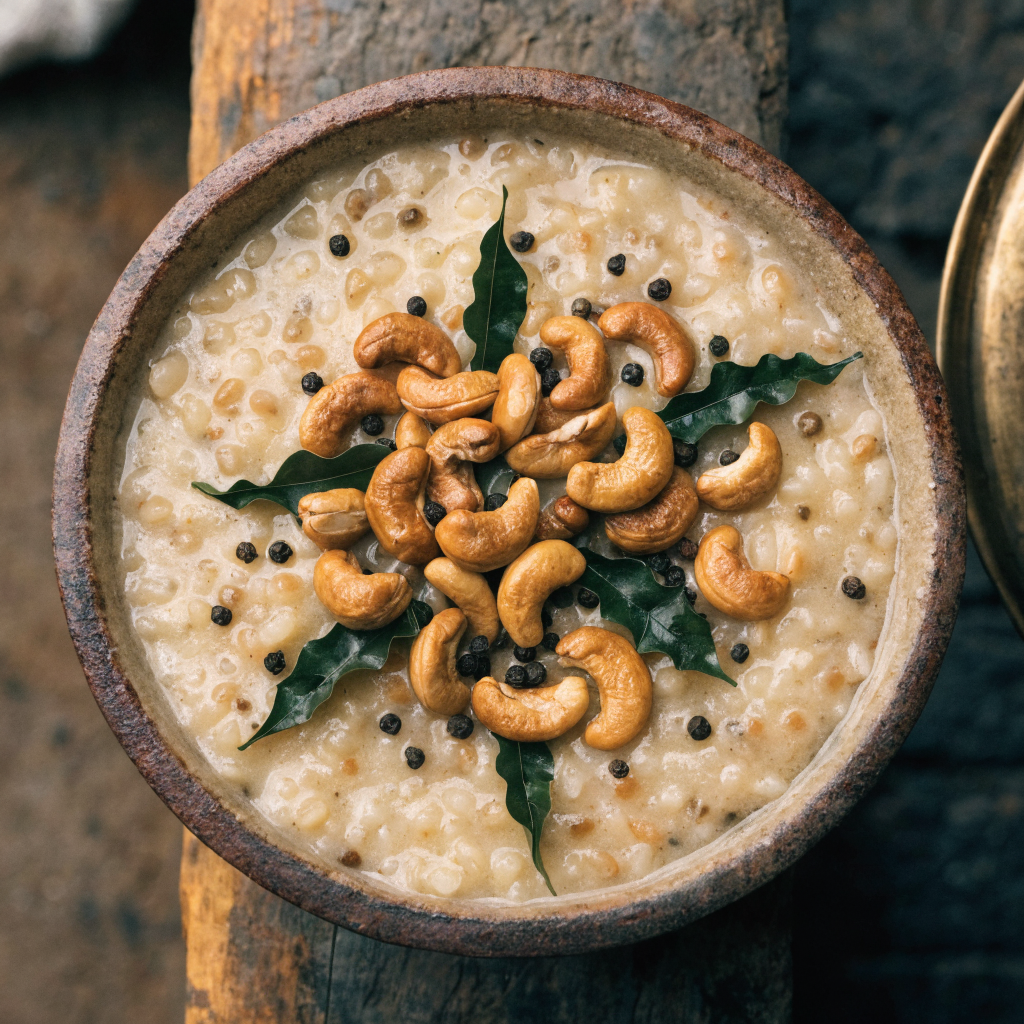
Pongal means "to bubble over," and the dish signifies abundance and harvest. Ven (savoury) Pongal is a creamy porridge of rice and moong dal cooked with ghee, black pepper, cumin, ginger, and cashews — soothing, filling, and deeply homey. Its sweet sibling, Sakkarai Pongal, swaps in jaggery and cardamom. Traditionally cooked in a clay pot for the most authentic flavour, it's a breakfast staple and the star of the January Pongal festival.
4. Chicken Chettinad — The Fiery Showstopper
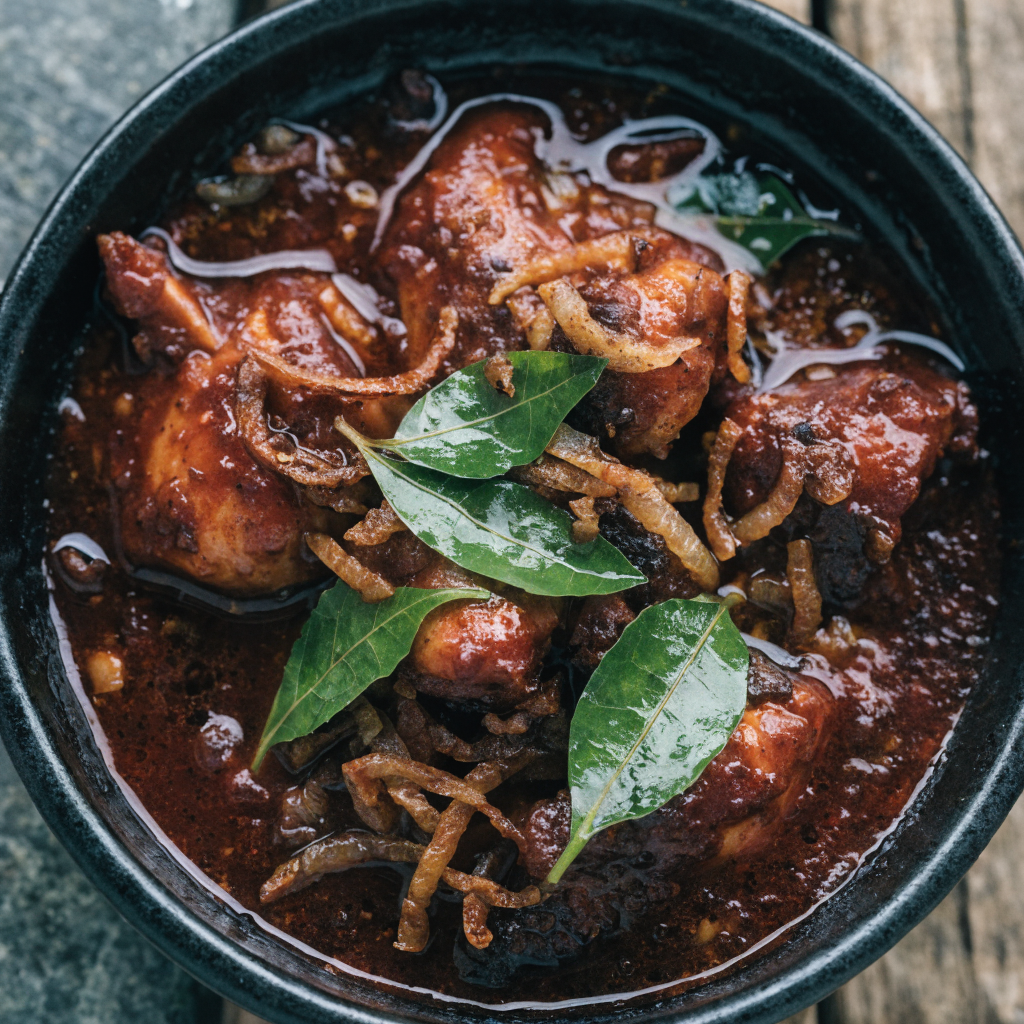
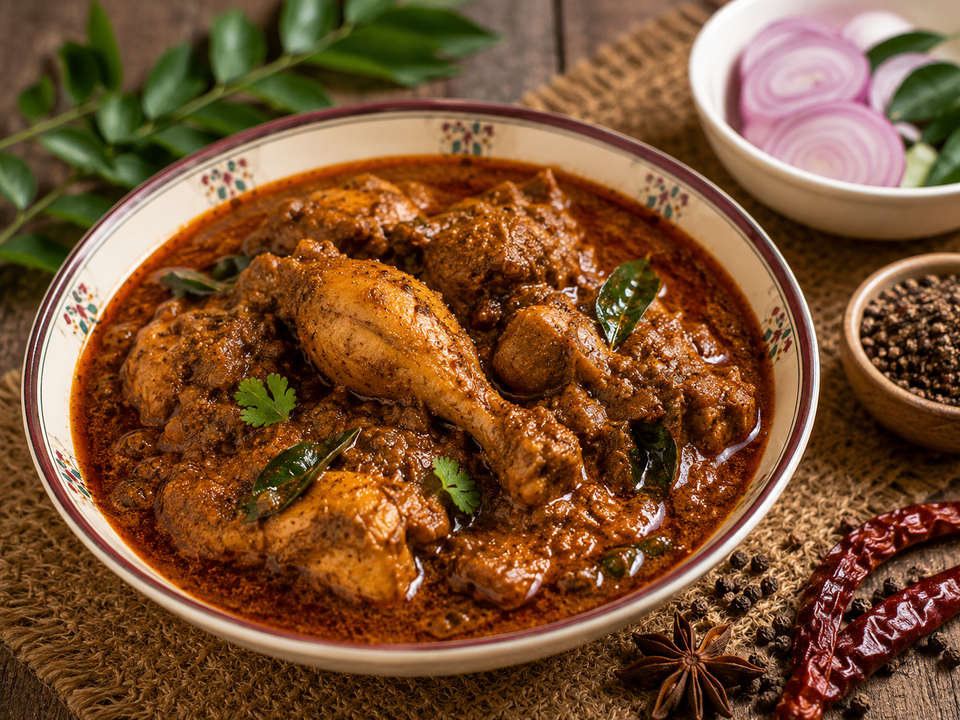
From the Chettinad region comes Tamil Nadu's most famous non-vegetarian dish, now beloved across India. Chicken Chettinad is tender chicken in a rich, roasted-spice gravy built on fennel, cinnamon, cloves, star anise, freshly ground black pepper, and dried red chillies. It's bold, aromatic, and properly spicy — best mopped up with steamed rice or flaky parotta. Try it at: The Bangala in Karaikudi for the real, regional version.
5. Seeraga Samba Biryani — Tamil Nadu's Own
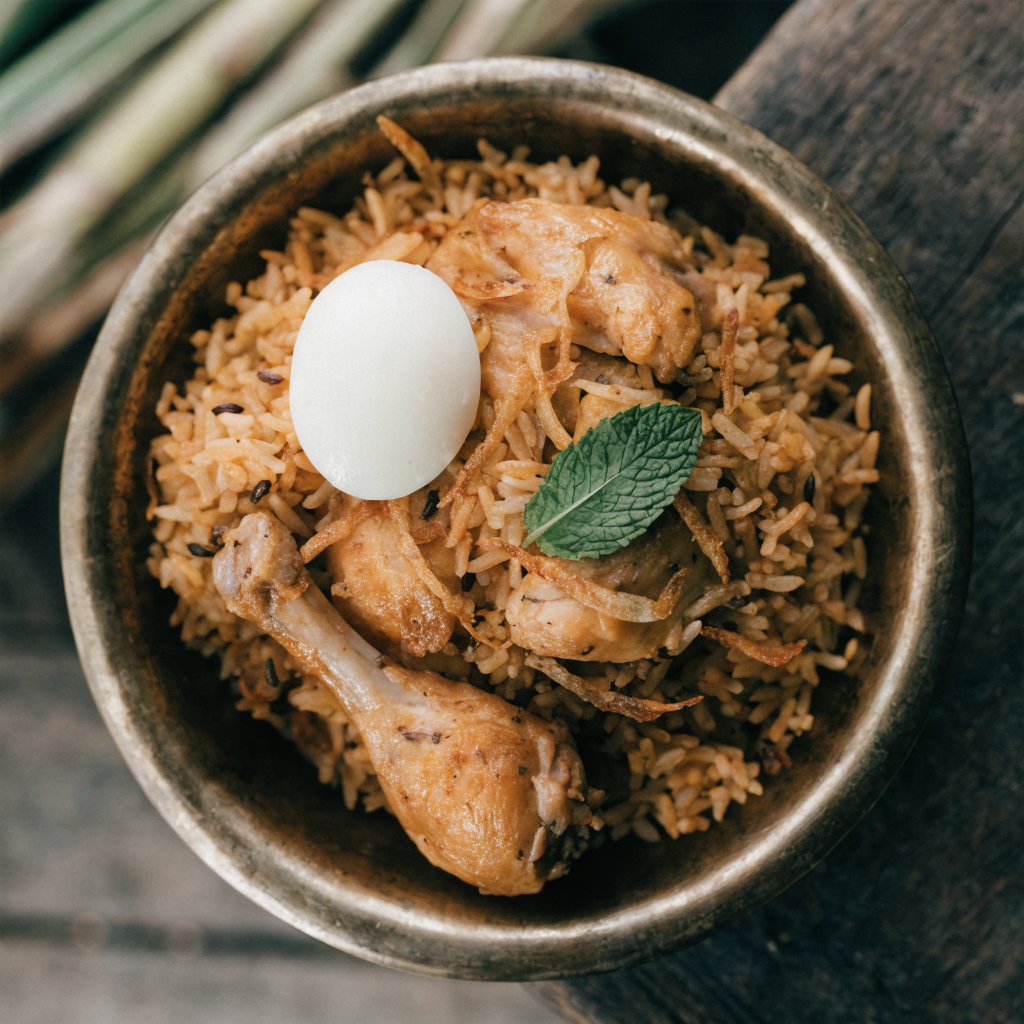
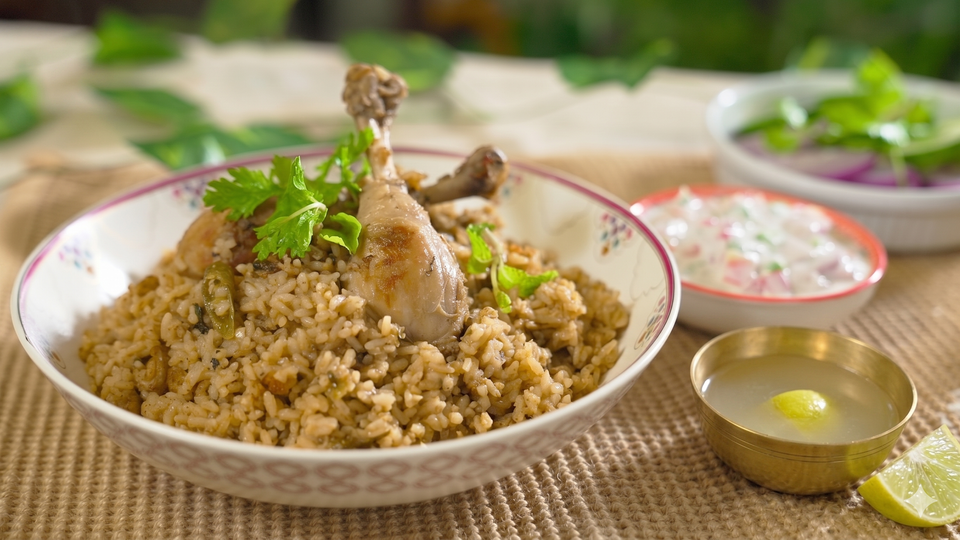
Forget what you know from Hyderabad or Lucknow — biryani here is its own thing. It's built on seeraga samba, a tiny, intensely aromatic short-grain rice that soaks up spice beautifully and stays distinct rather than fluffy. The Dindigul and Ambur styles are legendary. Try it at: Dindigul Thalappakatti, a name now found across the state.
6. Rasam — The Healing Broth
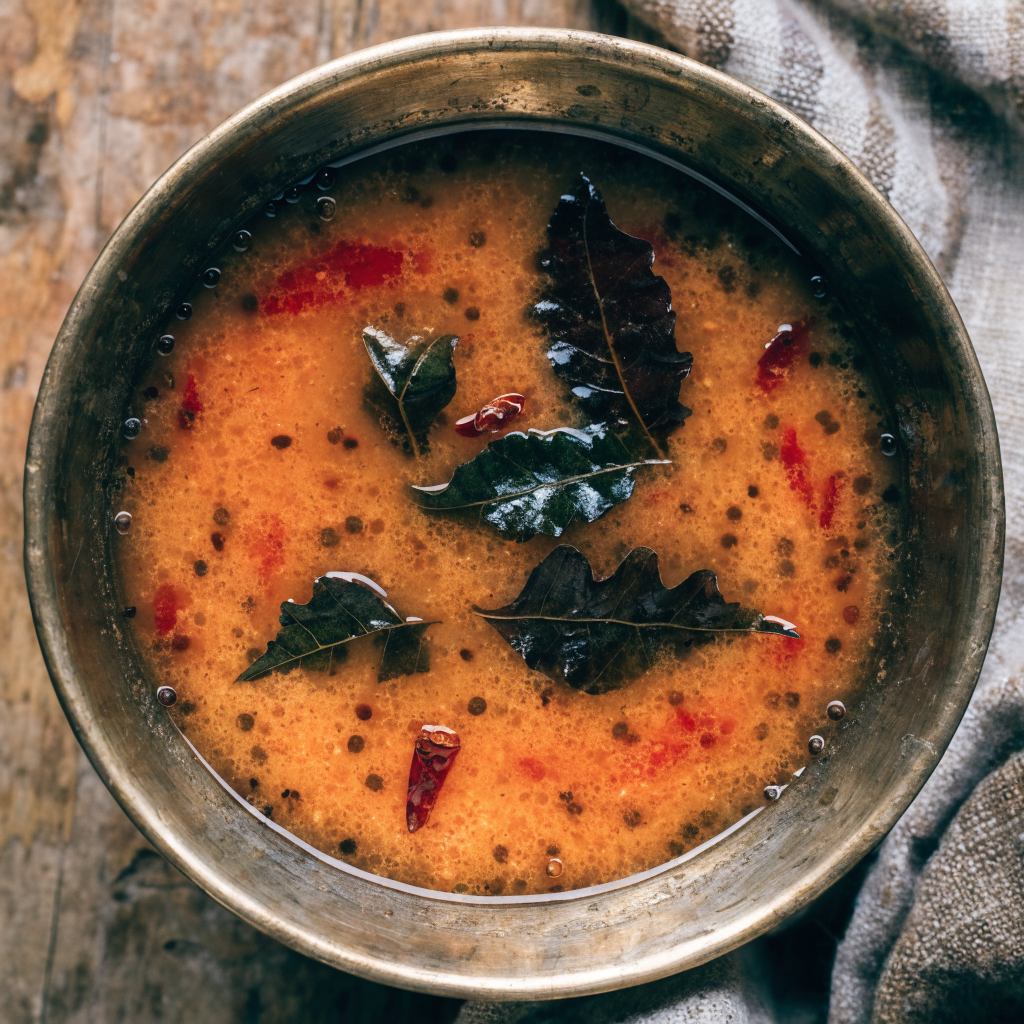
Often confused with sambar, rasam is thinner, tangier, and more medicinal. A base of tamarind and tomato is sharpened with black pepper, cumin, and mustard seeds, then finished with curry leaves. Tamilians swear by its digestive and cold-fighting properties. Sip it like a soup, or pour it over rice — either way, it's a staple of nearly every meal.
7. Kuzhi Paniyaram — The Two-in-One Snack
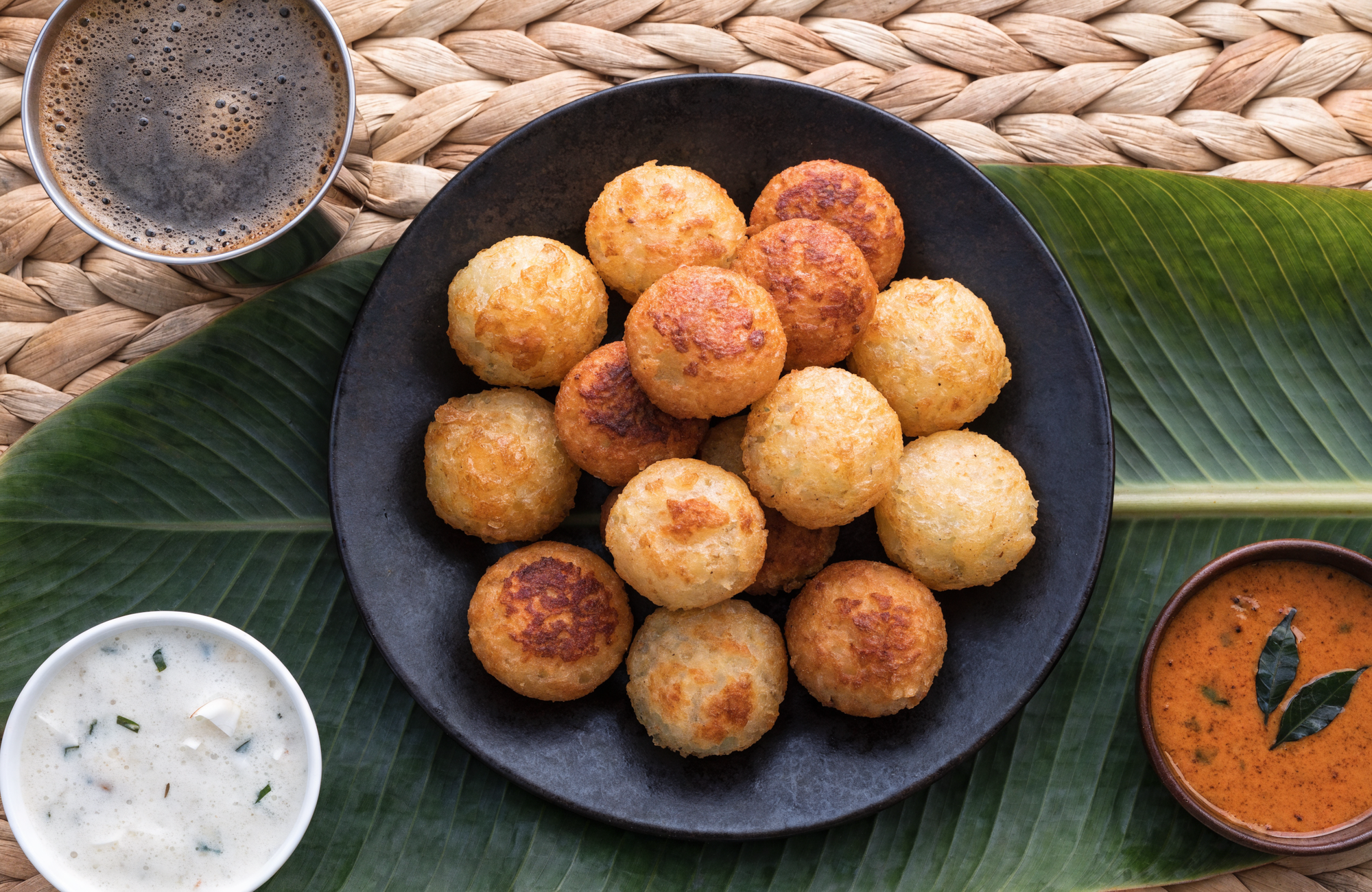
Made from the same fermented idli-dosa batter but cooked in a special dimpled pan, kuzhi paniyaram are bite-sized balls that are crisp outside and soft within. They come savoury (with onions, chillies, and curry leaves) or sweet (with jaggery), making them the ideal breakfast bite or evening tea-time snack. Serve with coconut or tomato chutney.
8. Lemon Rice — Zesty and Beloved
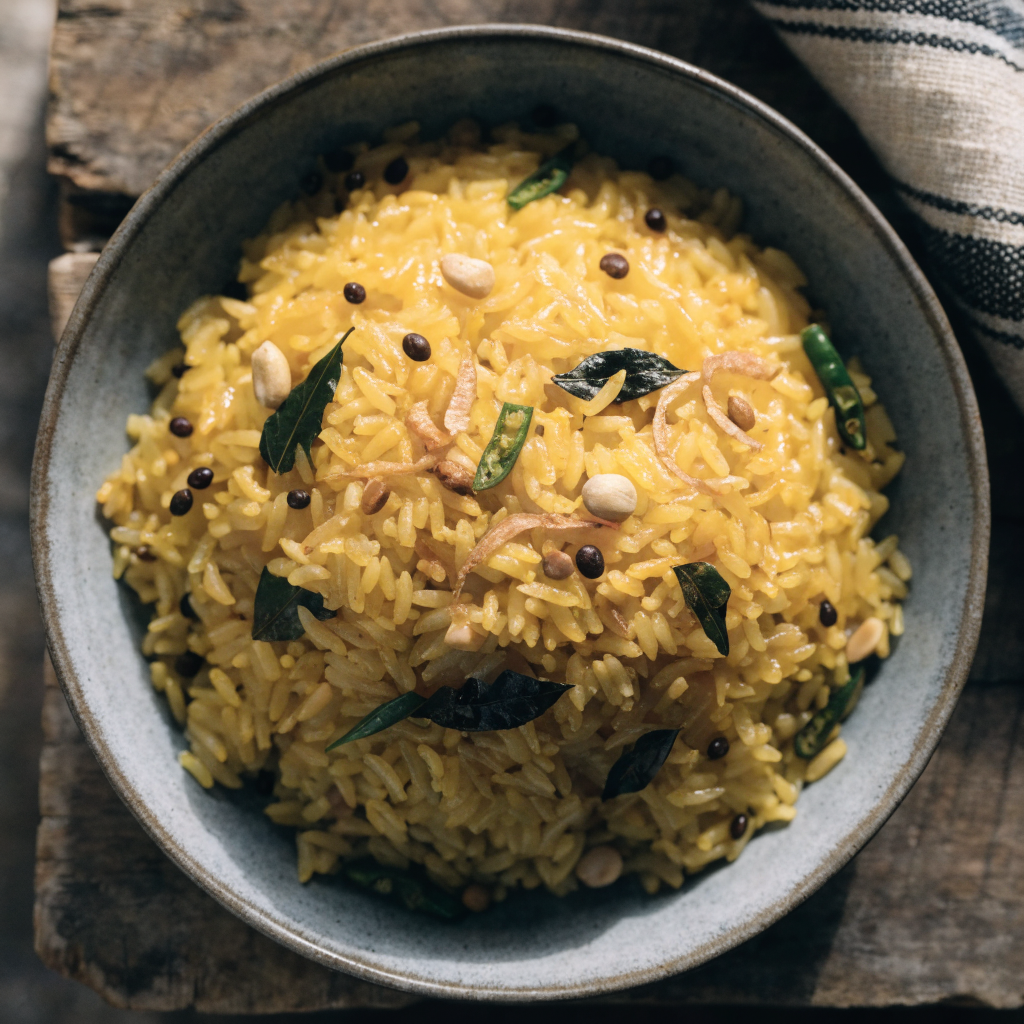
If one dish captures the everyday brilliance of Tamil cooking, it's lemon rice (elumichai sadam). Freshly cooked rice is tossed in a tempering of mustard seeds, curry leaves, and crunchy peanuts, then brightened with a generous squeeze of fresh lemon. Quick, tangy, and endlessly satisfying, it's a lunchbox hero and a festival offering alike. (Tamarind rice and coconut rice are equally cherished cousins.)
9. Curd Rice (Thayir Sadam) — The Essential Finish
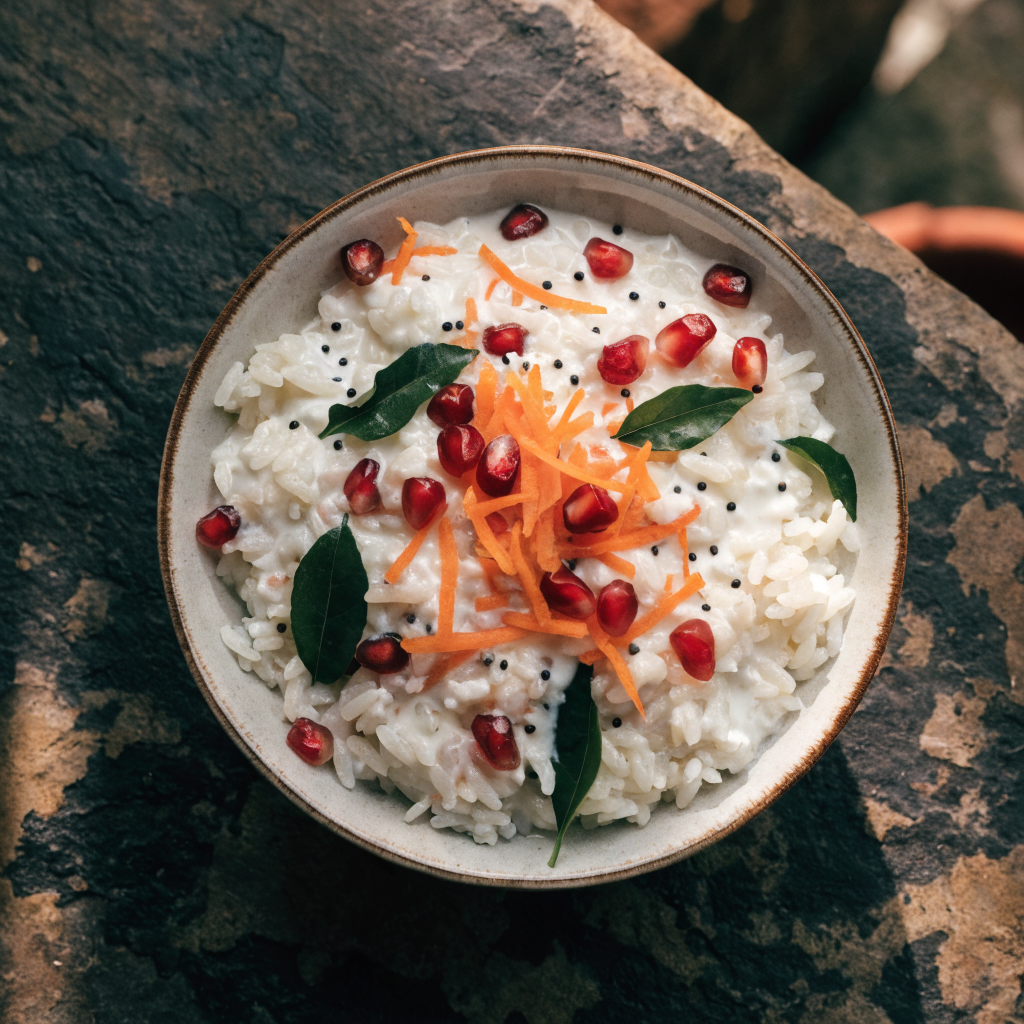
Ask any Tamilian how a proper meal ends, and the answer comes instantly: curd rice. Cooked rice folded into fresh yoghurt, tempered with mustard seeds and curry leaves, sometimes studded with pomegranate or grated carrot. After a parade of spice, this cooling, gentle dish settles the stomach and closes the meal in peace. Don't skip it — it's not an afterthought, it's the point.
10. Paruppu Payasam — The Sweet Send-off
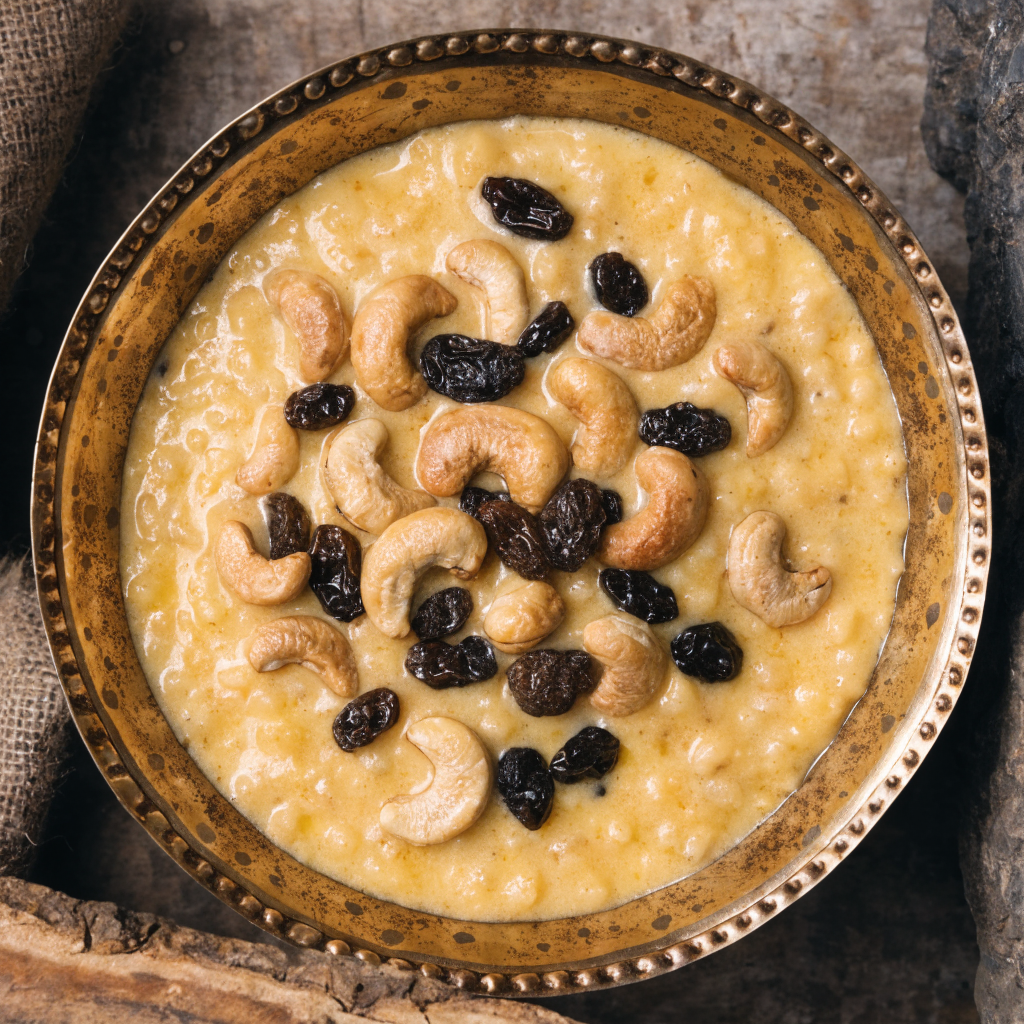
Every feast deserves a finale, and in Tamil Nadu that's often paruppu payasam — a silky kheer of moong dal and jaggery enriched with coconut milk, ghee, cashews, and raisins, perfumed with cardamom. Because it's sweetened with jaggery rather than refined sugar, it feels almost virtuous. Served warm at weddings, festivals, and celebrations, it symbolises joy and prosperity.
One More Thing: Filter Coffee ☕
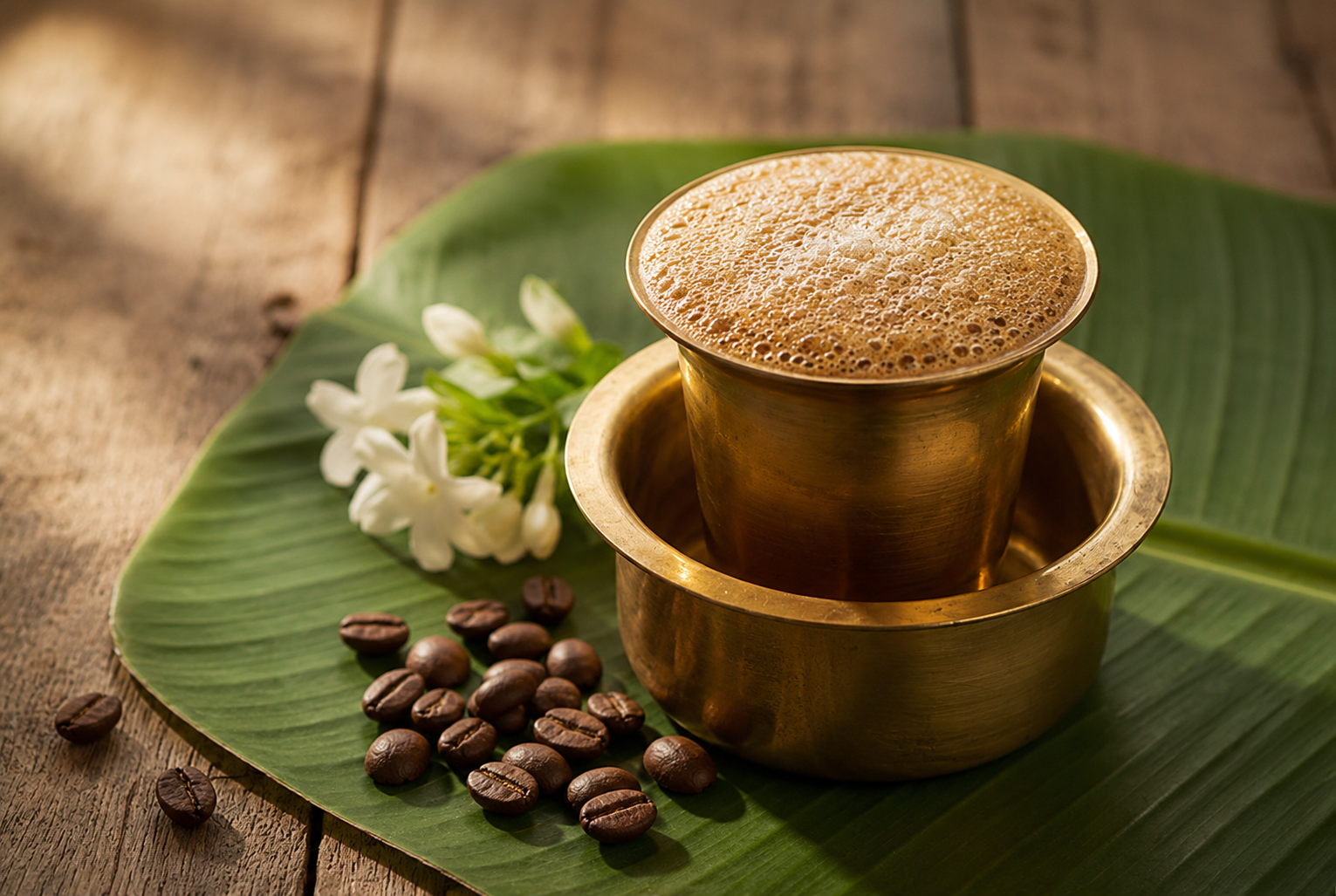
You can't leave Tamil Nadu without its filter kaapi — a strong decoction of freshly ground beans mixed with boiled milk, pulled frothy between a steel tumbler and a dabarah. It's the perfect full stop to any meal, and for many Tamilians, the non-negotiable start to every day.
A Few Tips for the Hungry Traveller
- Eat with your hands, off a banana leaf when you can — it's the authentic experience, and the leaf subtly perfumes the food.
- Mind the spice. Chettinad cooking in particular runs hot; ask for a milder version if you're not used to it.
- Chase the high-turnover stalls. The busiest street vendors are usually both the tastiest and the safest.
- Time it with Pongal (January) if you can, for seasonal specials made fresh.
The Bottom Line
Tamil Nadu's cuisine is a masterclass in doing a lot with a little: humble rice and lentils transformed by fermentation, tempering, and centuries of know-how into food that nourishes as much as it delights. Start with idli and dosa, brave the Chettinad heat, cool down with curd rice, and finish sweet. Ten dishes in, you won't just have eaten well — you'll have tasted a culture.
Dish details and serving traditions reflect widely documented Tamil culinary practice; regional variations are part of the fun, so treat this as a starting map, not the final word.